
King and Queen County Warrants
King and Queen County warrant records are held by the Sheriff's Office and the courts at King and Queen Court House, a small community in the rural Middle Peninsula. The Sheriff serves active warrants across this sparsely populated county. The Circuit Court Clerk and General District Court Clerk keep the case files after service. You can search King and Queen County warrant records online through the Virginia case search, by calling the Sheriff, or by visiting the courthouse. This page explains where to look, how to run a search, and what Virginia law says about public access to warrant records here.
King and Queen County Warrant Records Overview
Where to Find King and Queen Warrant Records
King and Queen County warrant records are split among three offices. The Sheriff holds active warrants and handles service. The Circuit Court Clerk keeps felony files, capias orders, and search warrant returns. The General District Court Clerk holds misdemeanor and traffic warrant cases. All sit in the courthouse at King and Queen Court House.
The Virginia case search at eapps.courts.state.va.us/gdcourts/ covers King and Queen County General District Court. Pick the county, type a name, and the system returns matching cases for free. The circuit court case search covers felony files. Cases tagged "capias" or "failure to appear" often tie to a warrant in the King and Queen County system.
Call the Sheriff for active warrant checks. The records desk can confirm a warrant exists. Some details are held back while the warrant is live.
Note: King and Queen County is part of the 9th Judicial Circuit, which includes several Middle Peninsula and Northern Neck counties.
King and Queen Sheriff Warrant Records
The King and Queen County Sheriff's Office is the only law enforcement agency for the county. Deputies serve all warrants and patrol the rural roads. The Sheriff runs the local lockup. People arrested on King and Queen County warrants are held until a magistrate sets bond.
Under Va. Code § 19.2-76, any Virginia officer can serve a warrant from any jurisdiction. A King and Queen County warrant can be served in Richmond, Fredericksburg, or anywhere in the state. After arrest, the officer endorses the warrant with the date and returns it to a judicial officer. The file then moves from the Sheriff's active records to the court clerk's case file. Public access to the full record opens at that point under Virginia law.
The records desk handles calls about outstanding warrants, bench warrants, and capias orders. Staff share what the law allows.
King and Queen Circuit Court Warrant Filings
The King and Queen County Circuit Court Clerk holds felony warrant files. Once the grand jury acts or a magistrate signs a capias, the clerk gets the paper. The file has the warrant, bond records, orders, and the return of service. Visit the office to see any unsealed file.
King and Queen County is in the 9th Judicial Circuit. Felony cases begin in General District Court and move to Circuit Court if certified. The clerk keeps search warrant returns and affidavits. Search warrants need a sworn affidavit under Va. Code § 19.2-54. Officers have 15 days to serve them under Va. Code § 19.2-56. The return is filed within three days per Va. Code § 19.2-57.
Copy fees follow state rules. In-person viewing is free.
How to Search King and Queen Warrants Online
Go to eapps.courts.state.va.us/gdcourts/ and accept the terms. Pick King and Queen County General District Court. Type a last name and first name. The system returns matching cases. Click any case for charges, dates, and case status.
For felony warrant records in King and Queen County, use the circuit court case search. Arrest warrants are issued under Va. Code § 19.2-71 after probable cause is found. The warrant must name the accused and describe the offense per Va. Code § 19.2-72. Both searches are free. King and Queen County processes fewer cases than most Virginia counties, so the results tend to be manageable lists.
If the search turns up nothing, call the clerk. With a small caseload, staff can usually check quickly.
Note: The state case search does not display open arrest warrants but shows capias and bench warrant entries once the clerk logs them.
Types of King and Queen Warrant Records
King and Queen County uses all standard Virginia warrant types. Arrest warrants are issued on a sworn complaint showing probable cause. Bench warrants come from a judge when someone fails to appear. Capias warrants issue for probation violations and contempt. Search warrants allow officers to search property under Va. Code § 19.2-52.
A warrant file typically has the name of the accused, aliases, date of birth, the charge, the statute, the issuing court, the date signed, bond amount, and the return of service. After service and return, most is public under Va. Code § 2.2-3704. Active warrant details may be withheld until the warrant is executed.
Statewide Tools for King and Queen Warrant Lookup
State databases help extend the search. The Virginia State Police runs the Central Criminal Records Exchange. Request a name check on Form SP-167 at the VSP criminal background page. The fee is $15. Notarization is required.
The Code of Virginia is available online for statute lookups. Visit the Code of Virginia for the full text of warrant and FOIA statutes.
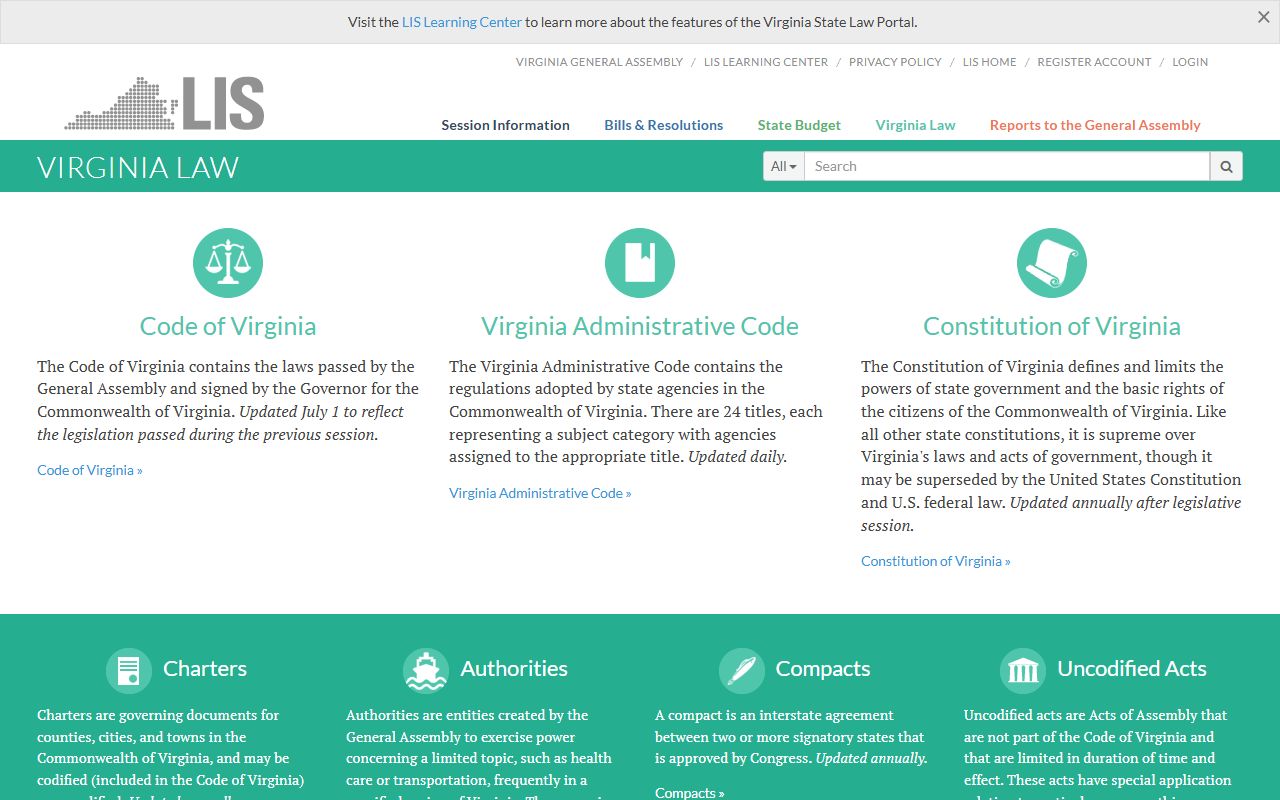
The Code of Virginia site has the full text of Title 19.2 for criminal procedure and Title 2.2 for FOIA rules that govern King and Queen County warrant access.
The Virginia DOC offender locator shows people in state prison. The sex offender registry is free. Federal warrants for King and Queen County go through the U.S. District Court for the Eastern District of Virginia, Richmond division.
King and Queen FOIA and Warrant Access
The Virginia FOIA at Va. Code § 2.2-3700 et seq. gives any person the right to request public records. Most King and Queen County warrant records are covered once served and returned. The five-day rule applies with a possible seven-day extension.
Active criminal files may take up to 65 working days under Va. Code § 2.2-3706.1. Fees can be charged for staff time and copies. The Virginia FOIA Advisory Council gives free help if your request is denied.
Public Access to King and Queen Warrants
Most King and Queen County warrant records are public after service. Anyone can ask the clerk for a file. No reason required. Virginia residency is not needed.
Some files may be sealed. Search warrant affidavits can stay closed during an open case. Juvenile records have separate rules. Files naming confidential sources or risking witness safety may be withheld. The Virginia Code is at law.lis.virginia.gov. Title 19.2 covers criminal procedure. Title 2.2 covers FOIA rules for King and Queen County warrant access.
Note: Sealed warrant files require a court order from a judge before the clerk can release any content to the public.
Nearby Counties
King and Queen County is a rural county on the Middle Peninsula between the Mattaponi and York rivers. It borders several counties in the 9th Judicial Circuit.